
The Sustainability of Bar Soap
Are Bar Soaps Better for the Environment?
Bar soap can be a more environmentally friendly alternative to liquid soap, particularly when it is packaged without plastic. Because bar soap is concentrated rather than mostly water, it generally requires less packaging and can be lighter and more compact to transport. But not every bar soap is equally sustainable. Ingredients, packaging, manufacturing, shipping, and how a product is used all play a role in its overall environmental impact.
If you're trying to make more sustainable choices in your personal-care routine, choosing a bar soap is a simple place to start. Here's what to look for when comparing bar soaps—and how to choose one that aligns with your sustainability priorities.
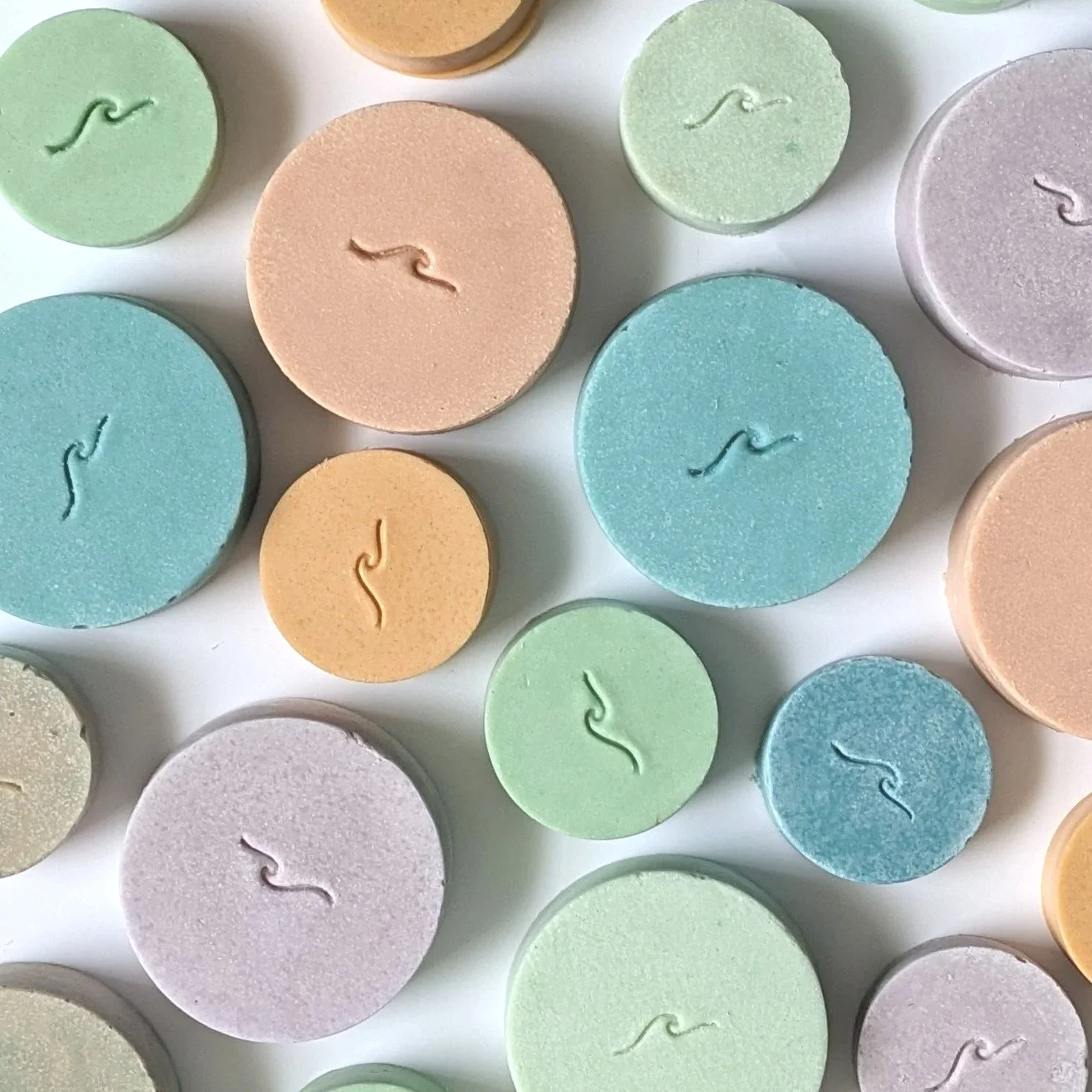
Sustainable Bar Soap and Minimal Packaging
Bar soap with minimal packaging can reduce plastic waste compared with bottled liquid soap, while packaging, ingredients, manufacturing, transportation, and product use all contribute to a soap's overall environmental impact.
The environmental impact of any product depends on more than whether it comes in bar or liquid form. Packaging, formulation, manufacturing, transportation, and how the product is used all matter.
Is Bar Soap More Environmentally Friendly?
Bar soap can be a more environmentally friendly choice than liquid soap, particularly when it uses minimal or plastic-free packaging. Because bar soap is a concentrated format, it also avoids transporting the large amount of water found in many liquid products. However, sustainability depends on more than just the format. Ingredients, packaging, manufacturing, shipping, and how the product is used all contribute to its environmental impact.
For shoppers looking to make more sustainable choices, the goal isn't simply to choose any bar soap. It's to look at the entire product and consider what went into making it, how it is packaged, and what happens after you bring it home.
What Makes a Bar Soap Sustainable?
A solid bar doesn't require a plastic bottle or pump, takes up less space during transportation, and typically contains far less added water than liquid soap, but not every bar soap is equally sustainable. When comparing products, consider the entire product to distinguish meaningful sustainability practices from marketing buzzwords. Large corporations frequently rely on greenwashing, vague language, and exaggerated environmental claims while relying on fossil fuels or single-use plastics.
Sustainable Soap Packaging
One of the most visible environmental advantages of bar soap is the opportunity to eliminate unnecessary plastic packaging. Look for bar soaps that use minimal packaging, avoid unnecessary plastic, and use materials that can be reused, recycled, or responsibly disposed of. A product's environmental footprint includes what surrounds the soap as well as the soap itself.
Ingredients Matter
When comparing soaps for purchase, consider not only where ingredients come from, but also their sourcing, stability, and performance. A low-cost formulation isn't necessarily a more sustainable one if it relies heavily on inexpensive filler oils, such as soy oil, or ingredients whose manufacturing is rooted in synthetic chemical engineering. Choosing thoughtfully selected, stable ingredients can help create a bar that lasts longer and makes better use of the materials that went into producing it.
Palm oil is another consideration. Conventional palm oil production has been associated with deforestation, habitat loss, and biodiversity concerns, although responsibly sourced palm oil is available. If avoiding palm oil is important to you, check the ingredient list rather than relying on terms such as "natural" or "eco-friendly."
At Inlet Soap Co., we formulate our bar soaps without palm oil, selecting oils and butters based on the qualities they bring to the finished bar. We want our soaps to be long-lasting, enjoyable to use, and thoughtfully formulated from the beginning.
How Inlet Soap Co. Approaches Sustainable Soapmaking
At Inlet Soap Co., sustainability is built into our company ethos. It's considered throughout the process, from the ingredients we choose to the way we package and ship our handmade soap. Our bar soaps are made without palm oil and produced in small batches. We are always working to reduce unnecessary plastic where possible through thoughtful packaging and offer reusable soap accessories designed to help you get more use from your soap bar.
No soap is completely without environmental impact. Our goal is to make thoughtful choices where we can and be transparent about them, creating, along the way, a handmade soap that feels good to use while keeping sustainability at the center of the process.
Our connection to the ocean shapes how we think about the products we make. Reducing unnecessary plastic, choosing purposeful ingredients, and creating elegant, useful sea-inspired products are all part of our effort to make everyday personal care a little more mindful of what happens beyond the bathroom.
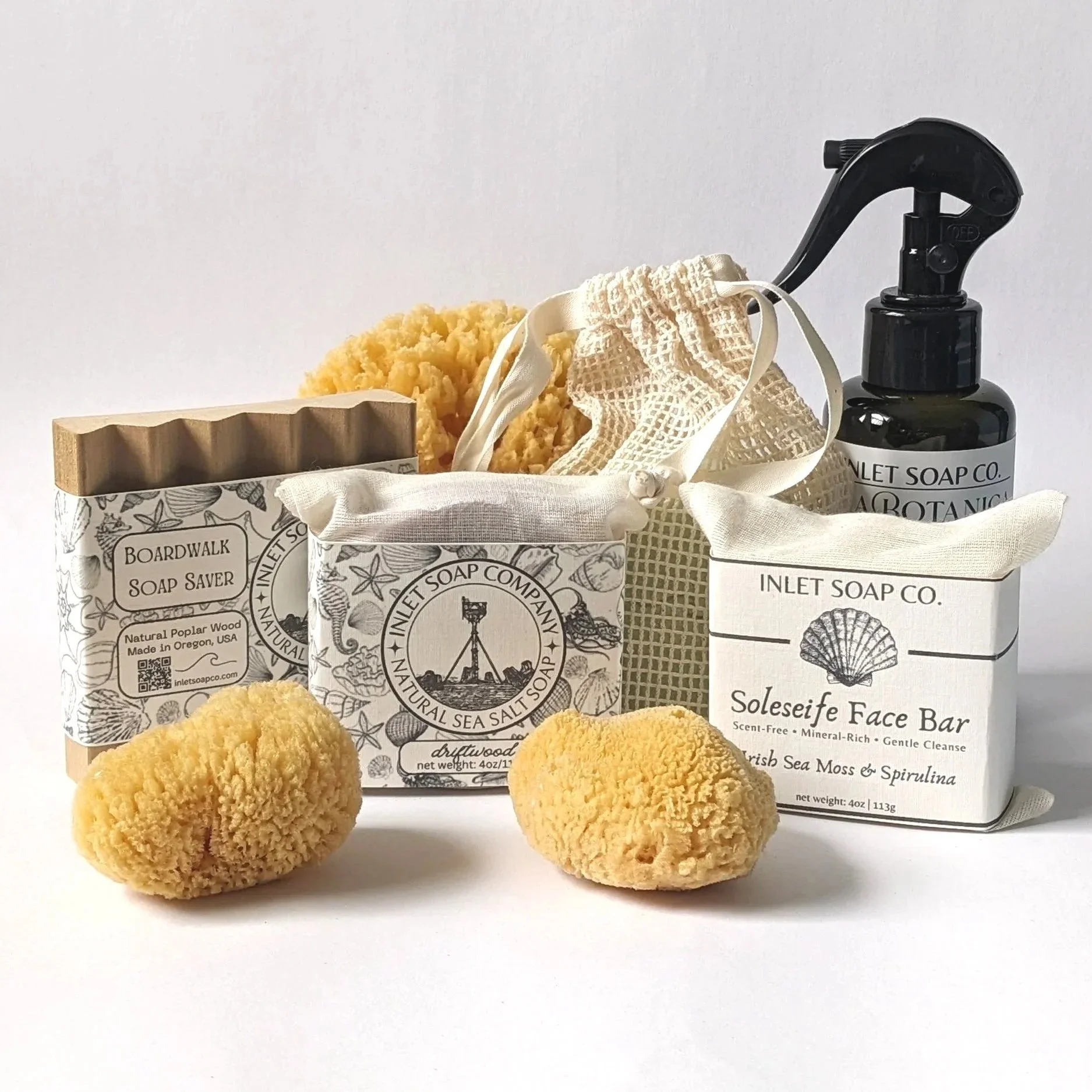
Discover why Inlet Soap Co. uses reusable muslin cloth as part of our approach to thoughtful, low-waste soap packaging.
Explore Our Sustainable Bar Soaps
If you're looking for a handmade bar soap with a sustainability-minded approach, explore what Inlet Soap Co. has to offer. Choose from our signature Sea Salt Soap made with whole salt crystals, our intentionally fragrance-free Soleseife Face & Body Bars made using the salt-brine method, and our selection of sustainable bath and shower accessories designed to cut down on plastic waste and make your soap last longer.
→ Shop Sea Salt Soap. Our traditional Sea Salt Soap contains whole salt crystals for a more textured washing experience.
→ Shop Soleseife Soap. Our Soleseife Face & Body Bar uses a salt-brine method, creating a smooth, creamy bar.
→ Shop Inlet Soap Co. Sustainable Bath Products Complete your sustainable soap routine with reusable, thoughtfully selected accessories designed to help reduce waste and extend the life of your bar.